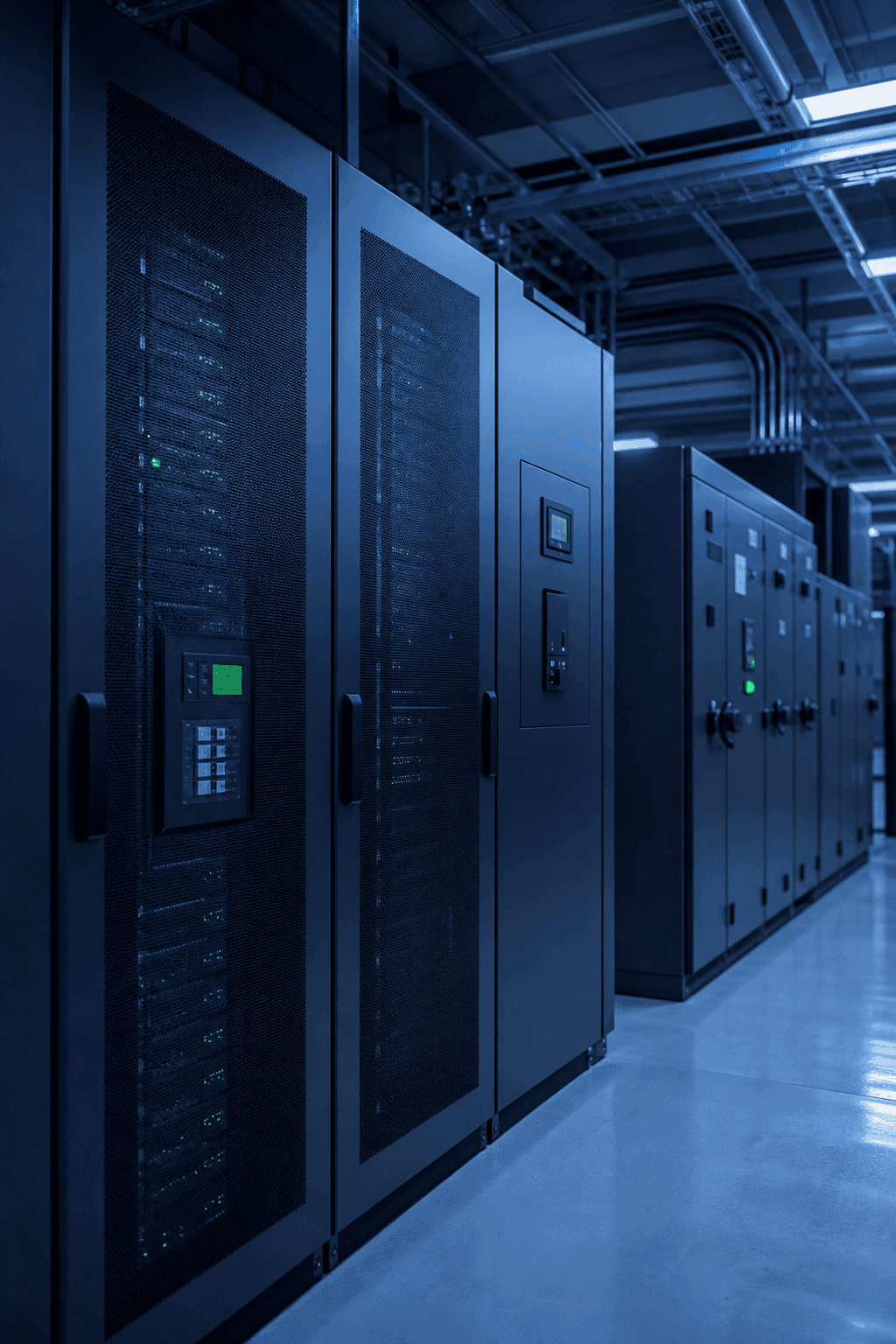
Live-site triage
Alarms, unexpected transfers, and battery events where remote guidance can stabilize the situation before travel.
Phone is not a substitute for every enquiry-it is the right tool when latency itself changes risk.
Alarms, unexpected transfers, and battery events where remote guidance can stabilize the situation before travel.

Real-time coordination during planned energization and transfers when hold points need named authority on the line.

Programme blockers that need a delivery or account principal-not another ticket acknowledgement.
Voice paths that connect you to the geography responsible for your sites, reducing handoff delay across time zones.

After the call
Phone guidance feeds written actions, settings notes, and-where covered-lifecycle tickets so tribal knowledge does not vanish when the call ends.
Thirty seconds of context dramatically improves first-call resolution on critical systems.

Facility name, UPS or plant identifiers, and whether the load is currently on bypass or inverter.
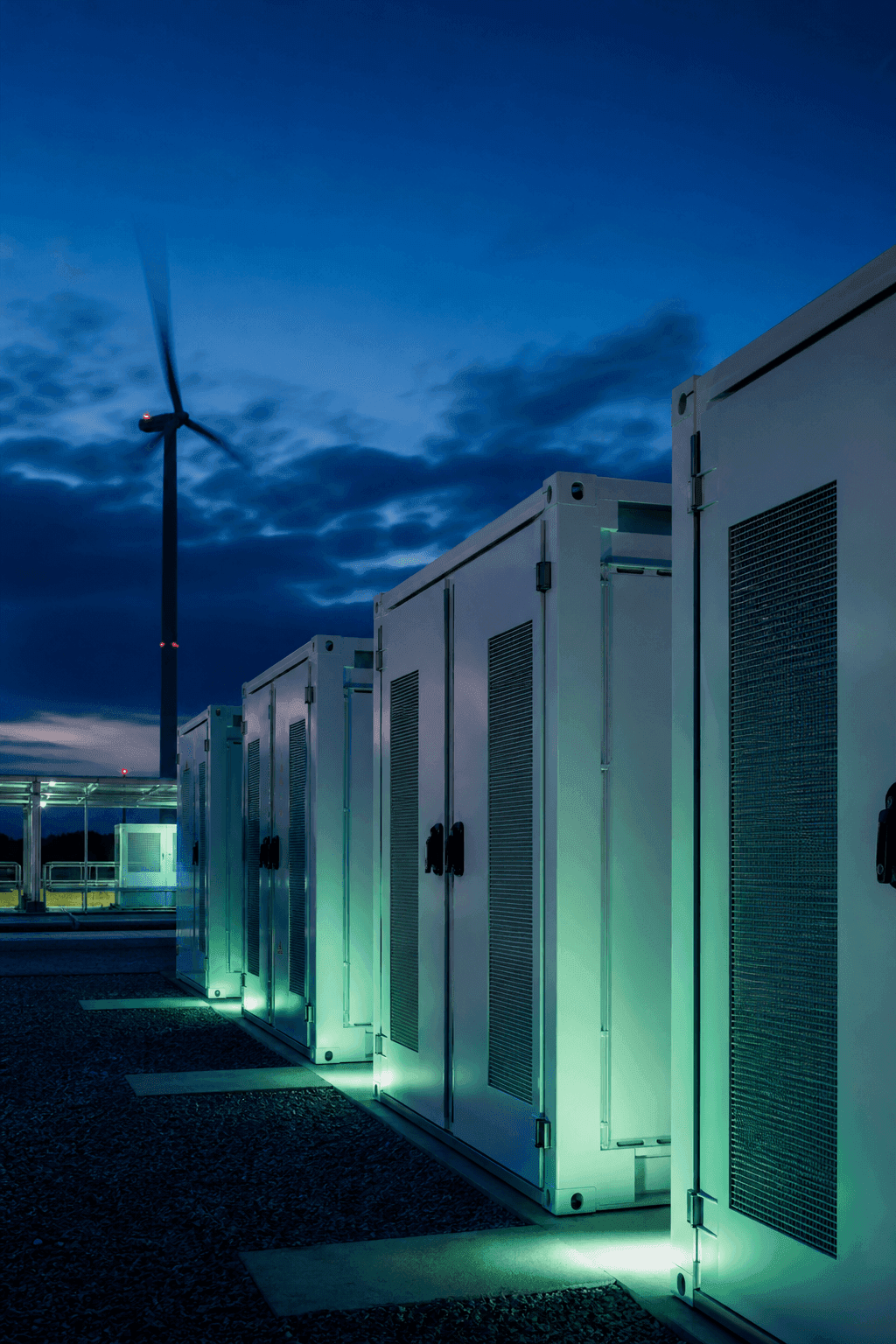
What changed, when alarms started, and any recent maintenance or firmware activity.
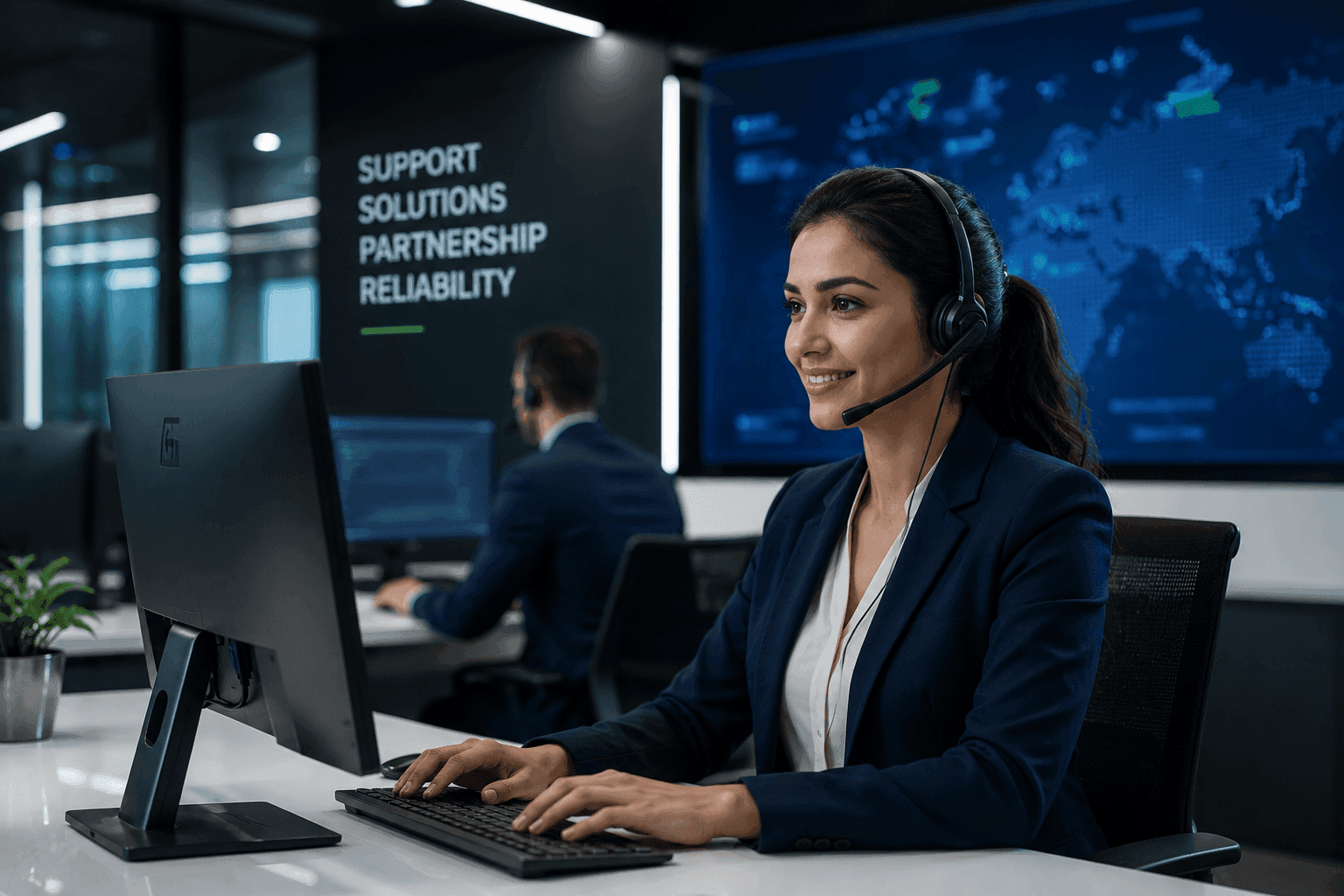
Whether the site is under a Trident lifecycle programme-so escalation rights and spare commitments are clear.
Phone pathways exist for live-site triage, cutover-window coordination, urgent commercial escalation, and regional routing across time zones. They are not a substitute for every enquiry-they are the right tool when minutes matter.
Coverage depends on contract and region. Lifecycle customers receive the response windows they purchased; general callers should use business pathways unless an active emergency requires escalation.
Site identity, asset tags, whether load is on bypass or inverter, symptom timeline, recent maintenance or firmware activity, and contract cover status let specialists stabilize situations before travel. Incomplete messages without site identity slow everything down.
Guidance stays consistent with documentation and competence. We will not coach unsafe improvisation; missing method statements or site authorization stop the call and escalate to on-site competent persons.
Phone guidance feeds written actions, settings notes, and lifecycle tickets where covered-so tribal knowledge does not vanish when the call ends. Partner first-line arrangements are coordinated to avoid bouncing end customers during active events.
Expectations for response, coverage, and when forms remain the better channel.
Coverage depends on your contract and region. Lifecycle customers with defined response tiers receive the windows they purchased; general enquiries should use standard business pathways unless an active emergency requires escalation.
You can still call for project urgency routing. For non-urgent architecture questions, the main contact form usually produces a cleaner specialist match.
We provide guidance consistent with your documentation and competence. We will not coach unsafe improvisation. If the method statement or site authorization is missing, we stop and escalate to on-site competent persons.
Channel partners may have their own first-line support. We coordinate so end customers are not bounced between entities during an active event.
Yes when a message is logged with site context and callback authority. Incomplete voicemails without site identity slow everything down-leave the essentials.
Tell us your region, site type, and whether this is operational triage or a project window. We will confirm the correct phone pathway and coverage expectations.