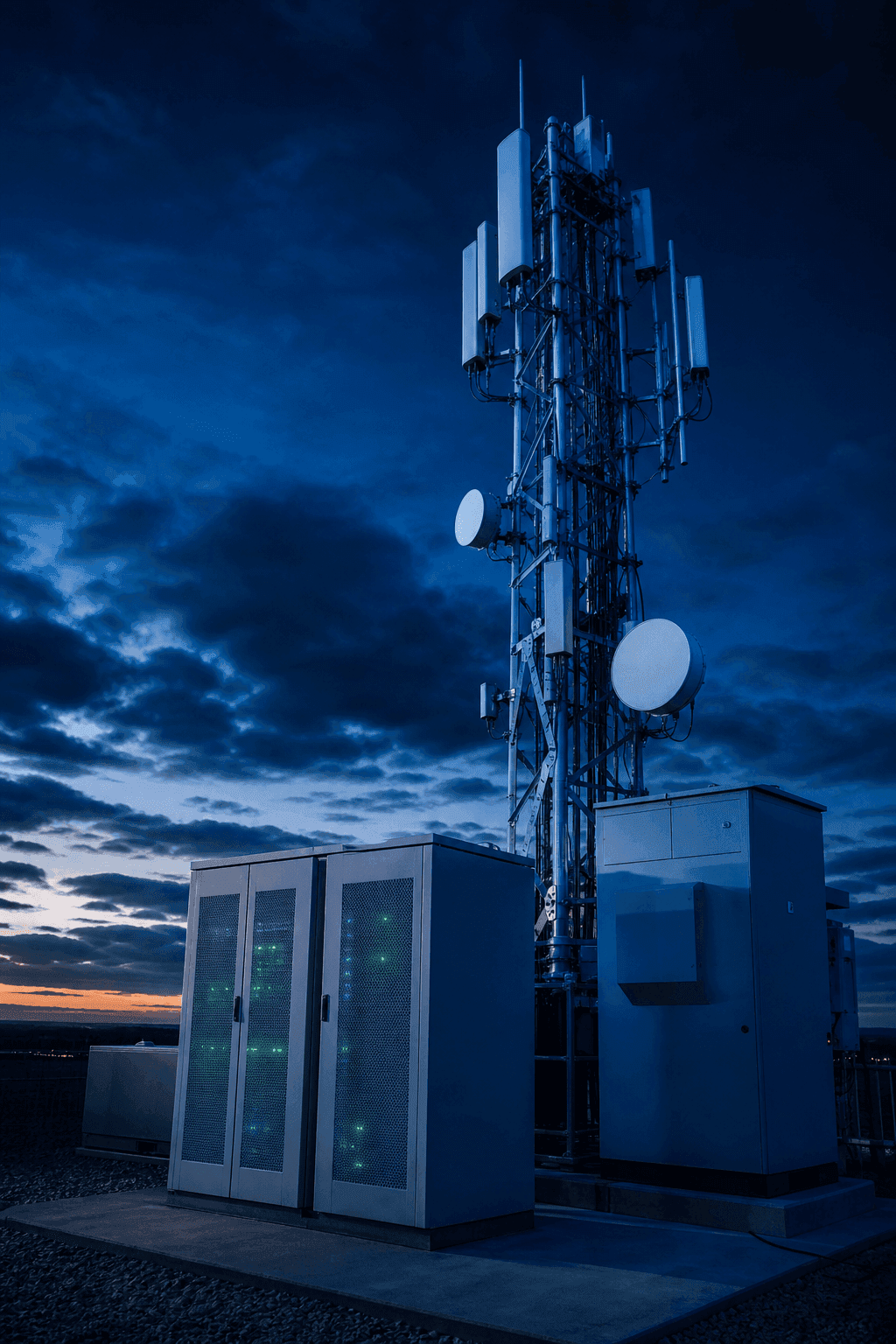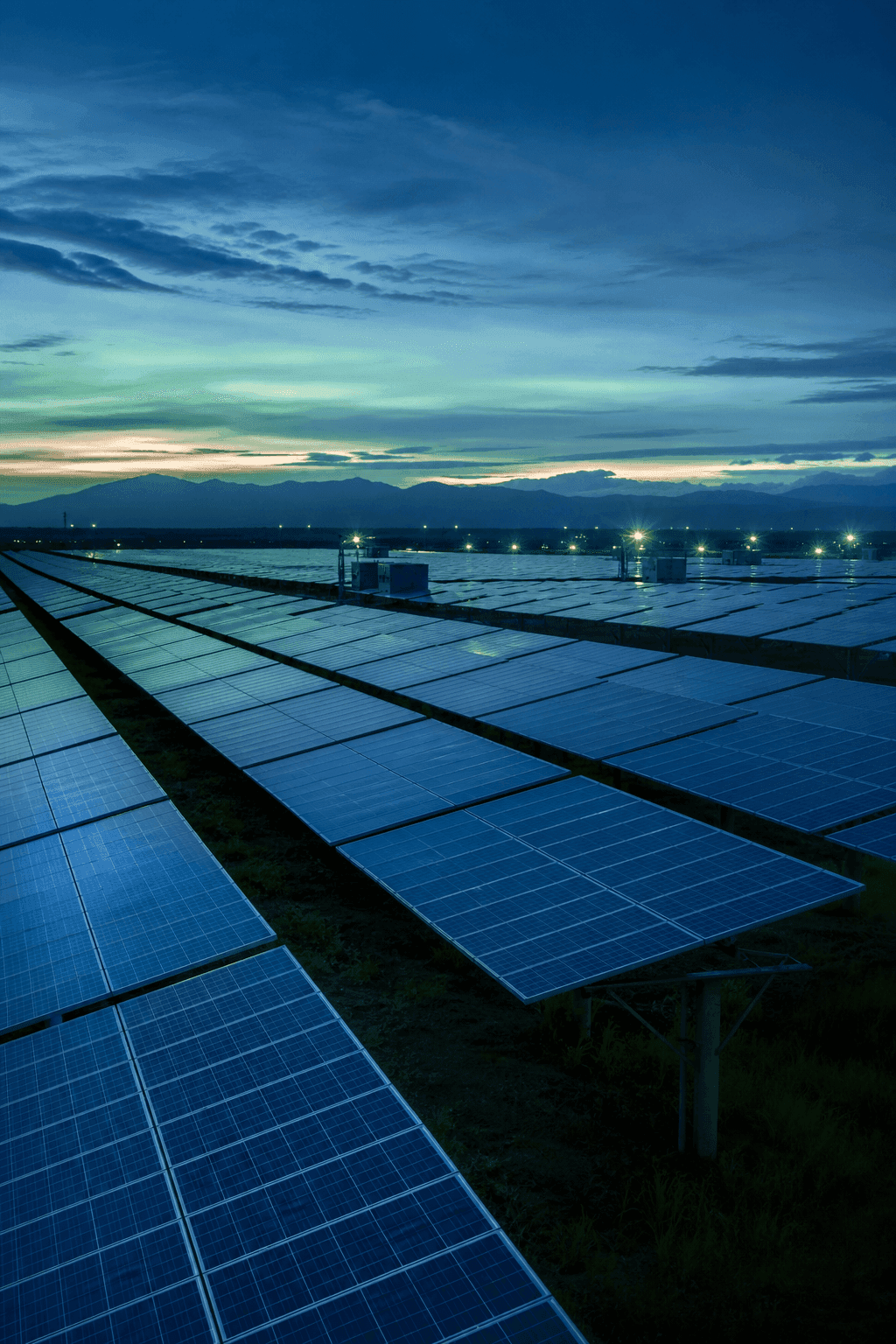
Rooftop & ground-mount PV
Systems sized to structural limits, shading reality, yard logistics, and facility demand shapes-not generic nameplate targets.
We design PV as part of the electrical system: coordinated with switchgear, storage, UPS behaviour, and operating schedules-not bolted on after the fact.
Systems sized to structural limits, shading reality, yard logistics, and facility demand shapes-not generic nameplate targets.
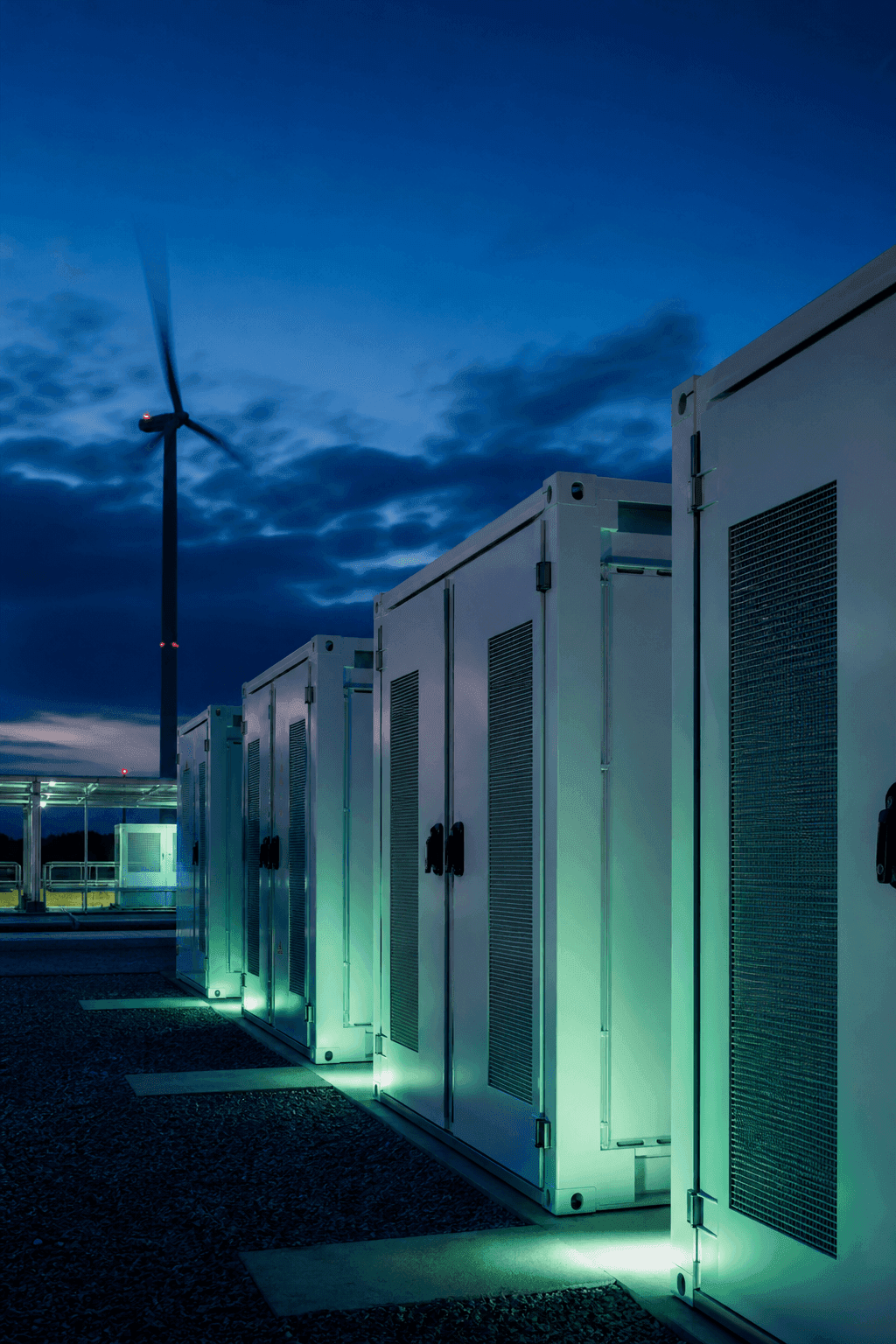
Pair generation with storage to firm output, manage peaks, and strengthen resilience under defined EMS operating modes.
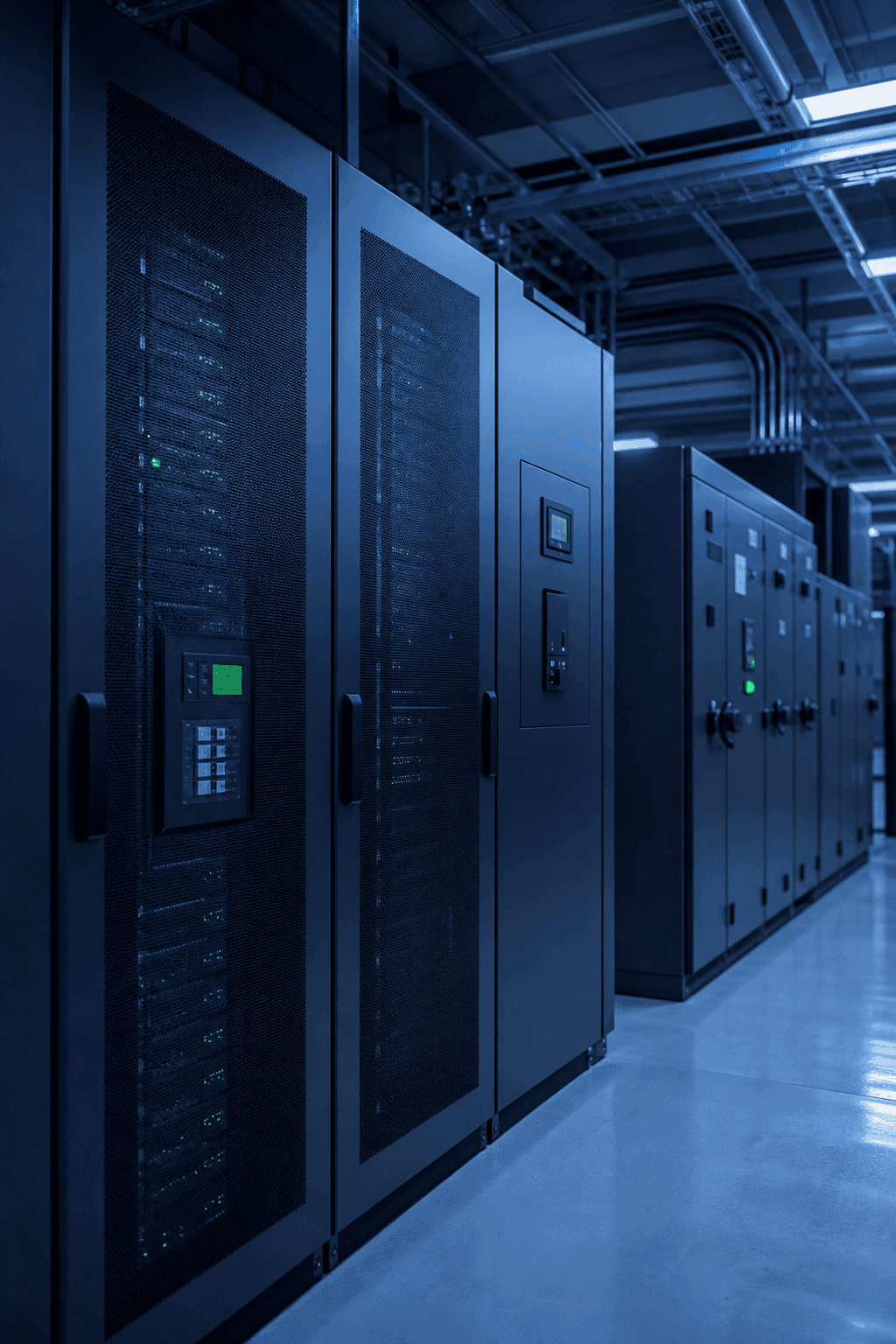
Protection and controls that keep renewables from compromising UPS-protected loads during grid events and transfers.

Bankable engineering
Yield modelling, interconnection support, and handover packages that give finance, engineering, and facilities teams one coherent picture of risk and return.
On-site generation only creates value when it fits the electrical and operating reality of the campus.
Industrial solar capacity is often capped by dead load, wind uplift, membrane warranties, and O&M access before inverter ratings become the constraint. Trident designs to structural and logistics reality first, then optimizes electrical layout within that envelope.
Interconnection studies and protection coordination define where PV may tie without treating critical UPS buses as convenient parallel points for renewable inverters.
PV + BESS hybrids firm output and manage peaks under EMS modes facilities will actually run. Storage is added when tariffs, export limits, or resilience targets justify capital-not as an automatic line item.
Bankability rests on credible yield assumptions, warranty and O&M alignment, and documentation that operations can execute. Day-two monitoring with clear alarm thresholds determines whether yield promises hold.
Operating modes specify PV/BESS behaviour during utility disturbances, UPS transfers, and generator runs so sustainability programmes strengthen the electrical plan instead of fighting it under fault conditions.
What owners ask before committing capital to on-site PV and hybrids.
Through interconnection point selection, protection coordination, and operating modes that define PV/BESS behaviour during utility disturbances, UPS transfers, and generator operation. Critical buses are not treated as convenient parallel points for renewable inverters.
Credible yield and degradation assumptions, clear interconnection and offtake logic, documented equipment warranties and O&M, and a design that facilities can operate. Bankability is engineering and contracts working together-not a glossy irradiance map.
Not automatically. Storage adds value when tariffs, export limits, firming needs, or resilience targets justify power and energy capital. We model stacked use cases so BESS is an intentional investment, not a default add-on.
Dead load, wind uplift, membrane warranties, and access for O&M often cap capacity before inverter or interconnection limits do. We design to the building and logistics reality first, then optimize electrical layout within that envelope.
Performance monitoring with clear alarm thresholds, scheduled cleaning and inspection based on soiling and climate, and inverter/BESS service aligned to warranty terms. Day-two operations determine whether yield promises hold.
From early yield studies to hybrid controls and O&M models, we help you deliver renewable projects that operators can trust on day two-not only at financial close.
Telemetry and reporting that verify yield, availability, and contribution to sustainability and tariff objectives.