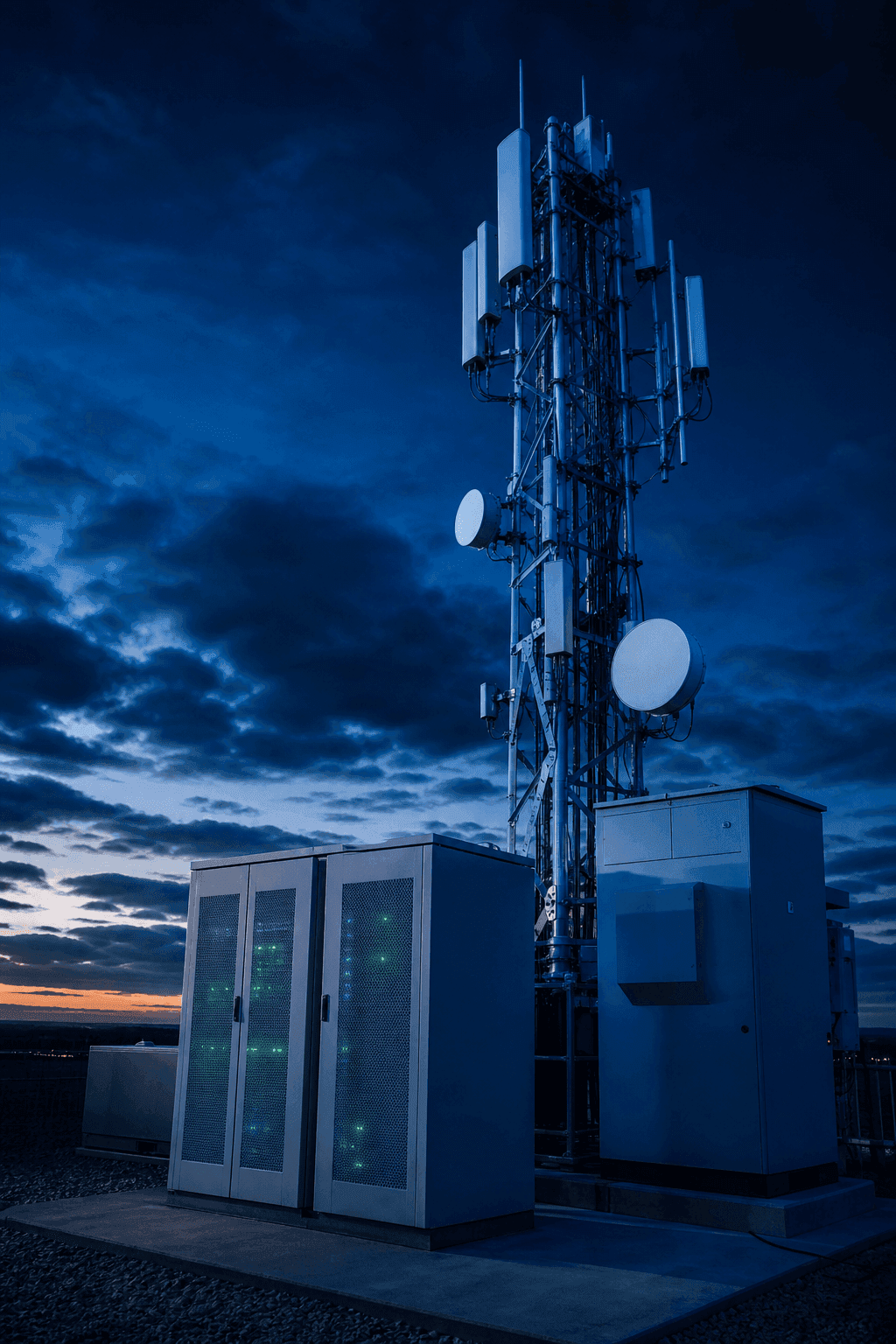
Carbon & efficiency
High-efficiency UPS modes, right-sized autonomy, and loss reduction that cut scope-related energy waste while preserving ride-through.

Company · Sustainability
With over 25 years in energy and a clear shift toward solar-led solutions, Trident approaches ESG as engineering work-lower losses, hybrid renewables, and circular thinking for batteries-without pretending reliability is optional.
Carbon, circularity, and governance framed around the assets we design and maintain-not abstract pledges disconnected from single-lines.
High-efficiency UPS modes, right-sized autonomy, and loss reduction that cut scope-related energy waste while preserving ride-through.
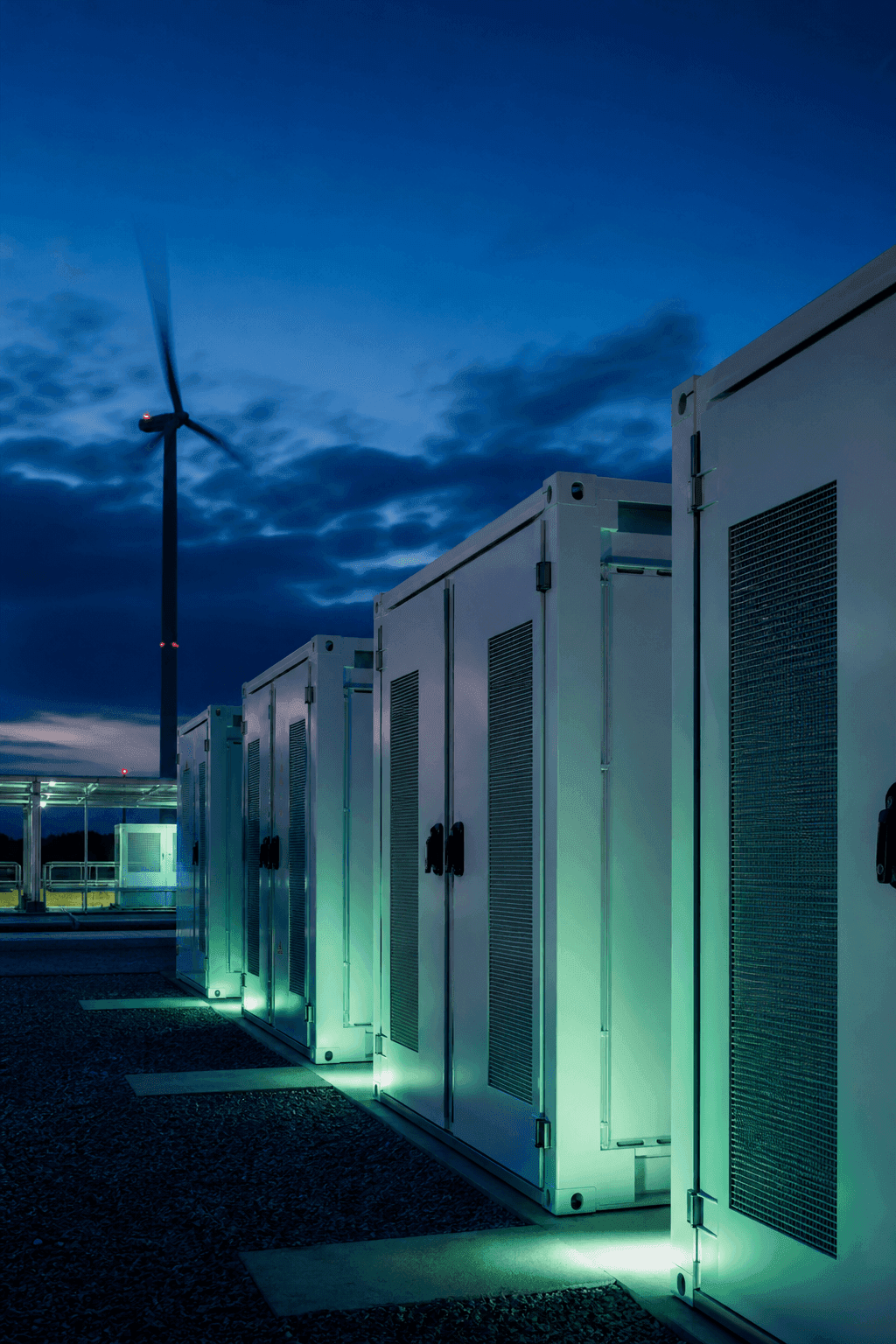
Battery health programmes, second-life pathways where appropriate, and replacement planning that treats chemistry as a managed material cycle-not disposable inventory.
PV and hybrid designs that firm generation without undermining critical buses, IST assumptions, or protection coordination.
Documented operating modes, audit-ready maintenance records, and supply-chain diligence that boards and insurers can scrutinize.

Design principle
Sustainability measures that cannot be tested, maintained, or explained under fault conditions are not sustainability-they are risk with better marketing.
ESG outcomes emerge from architecture choices and lifecycle discipline-not from a separate brochure.
Our hybrid approach is deliberate: keep energy security intact while helping customers transition to cleaner, renewable sources. Decades of petroleum-sector discipline inform how we integrate solar, storage, and efficient critical power so sustainability gains survive real operating conditions.
Trident approaches sustainability through lower losses, right-sized autonomy, renewable integration with clear electrical boundaries, and circular thinking for batteries and power electronics. Measures that cannot be tested or maintained under fault conditions are risk with better marketing.
Battery health programmes, recovery partners, and selective second-life evaluation treat chemistry as a managed material cycle-never as an excuse to keep failing strings online. PV and hybrid designs firm generation without undermining critical buses, IST assumptions, or protection coordination.
Governance shows up as documented operating modes, audit-ready maintenance records, and supply-chain diligence boards and insurers can scrutinize.
Ask for operating-mode documentation, maintenance evidence, battery end-of-life plans, and how renewable assets interact with critical paths under fault. Vague answers mean the carbon story is incomplete-regardless of brochure imagery.
Questions sustainability and engineering leads ask when ESG must survive operations reviews.
Primarily through efficiency, right-sizing, and renewable integration with clear electrical boundaries. We also push battery strategies that avoid oversizing autonomy 'just in case' when generators and transfers are already proven.
Extending useful life through health programmes, planning replacements with recovery partners, and evaluating second-life only where duty cycles and safety cases allow-never as an excuse to keep failing strings online.
Yes when PV/BESS are designed as campus energy assets with protection and operating modes that do not compromise UPS-protected buses. We refuse architectures that trade IST clarity for green optics.
We focus public narrative on how customer systems reduce losses and diesel dependence. For specific programme metrics, engage our team-we prefer numbers tied to verified sites over generic corporate claims.
Ask for operating-mode documentation, maintenance evidence, battery end-of-life plans, and how renewable assets interact with critical paths under fault. If those answers are vague, the carbon story is incomplete.
Share your carbon targets, site constraints, and uptime non-negotiables. We will outline efficiency, storage, and renewable options that engineering can actually defend.