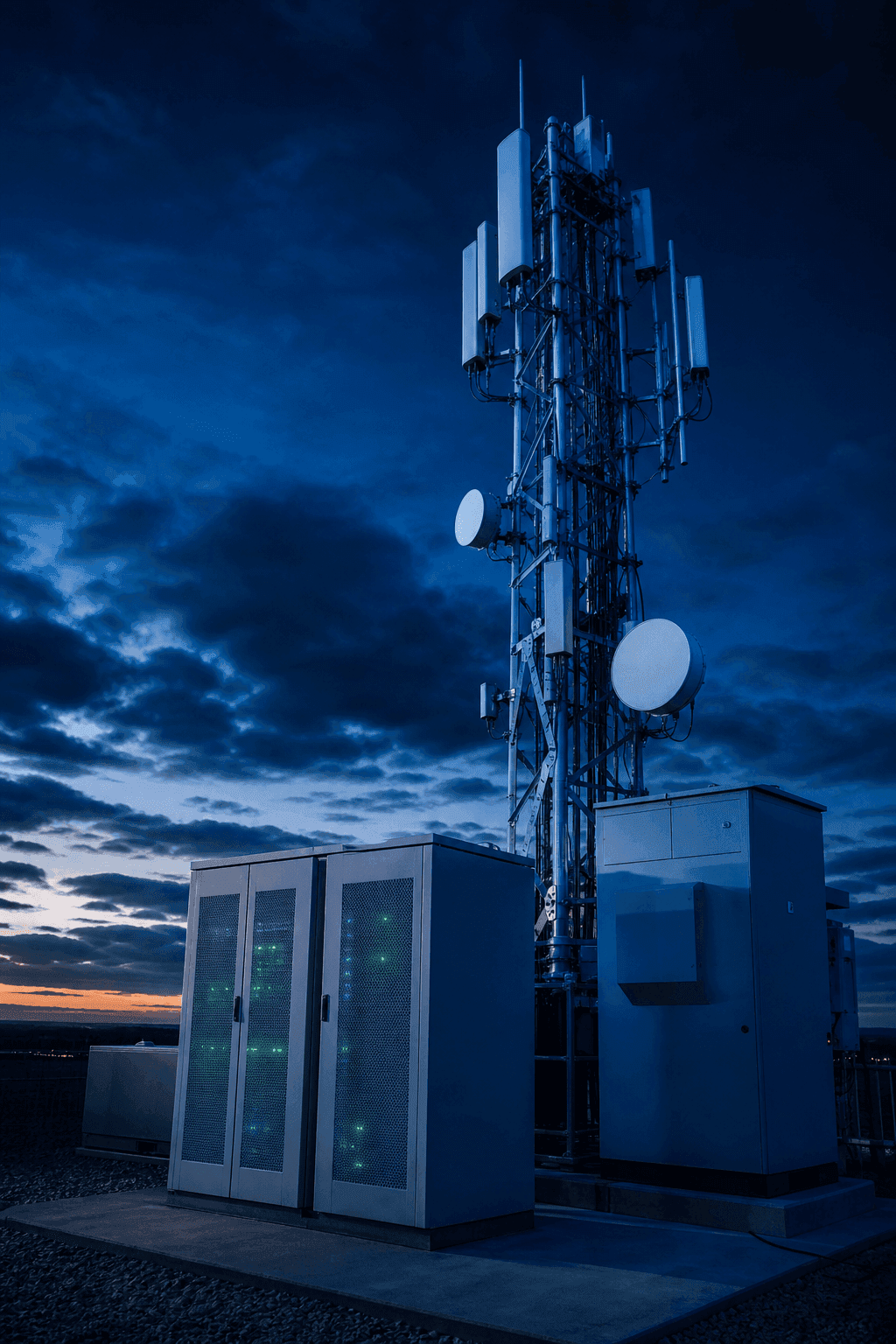
Tower power packages
Outdoor-ready rectifiers, batteries, and distribution engineered for rapid, repeatable tower deployments and harsh climate envelopes.
Standardized packages, conversion efficiency, and remote visibility help operators roll out and maintain power as a network asset across national and regional fleets.
Outdoor-ready rectifiers, batteries, and distribution engineered for rapid, repeatable tower deployments and harsh climate envelopes.

Higher-capacity DC plants for sites that concentrate traffic and demand tighter availability, clearer alarms, and structured growth.

Compact systems for denser, closer-to-user sites supporting radio densification and edge compute without oversized plant rooms.

Fleet programmes
Site standards, spare strategies, and remote monitoring so operations teams manage energy as a network asset-not a collection of undocumented cabinets.
Traffic growth, edge densification, and diesel cost pressure redefine what “good enough” power means at each site class.
Repeatable kits and installation partners that compress rollout schedules and simplify logistics and spares.
Hybrid solar-battery configurations that improve uptime while reducing generator runtime and fuel logistics.
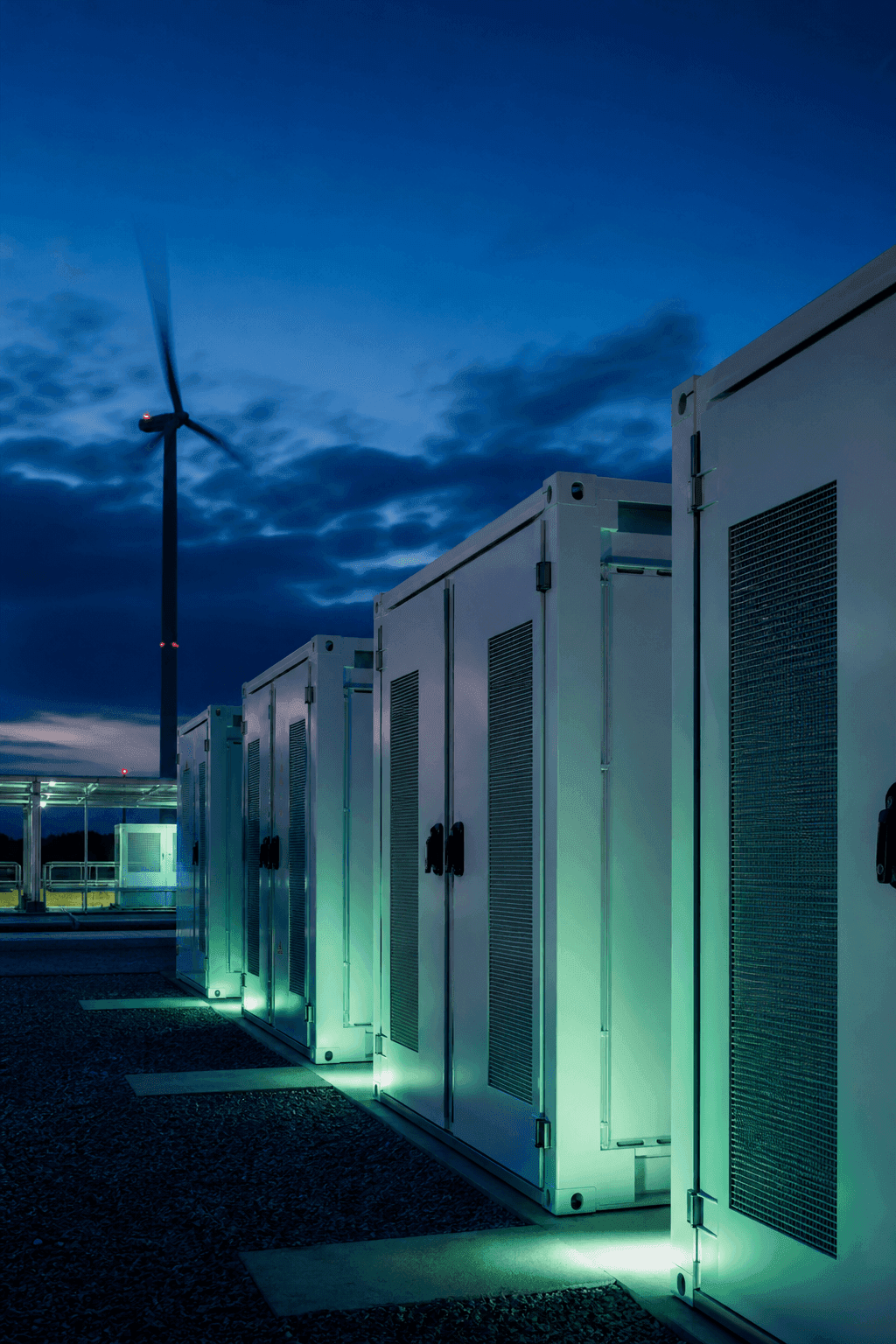
Refresh ageing strings with chemistry and controls matched to today’s traffic loads and site temperatures.
Tower outdoor, core/CO, and edge densification classes carry distinct rectifier capacity, enclosure, and autonomy envelopes. Trident standardizes BOMs and installation playbooks so national rollouts compress time-to-site without inventing a unique cabinet at every post.
Edge compute sharing DC plant with radio equipment requires load prioritization and growth headroom-mixing without a site standard silently erodes battery autonomy as densification proceeds.
Weak-grid hybrids prioritize PV and battery for daily load while generators remain backup. Success depends on accurate load profiles, cycling rules, and remote visibility into SOC and generator hours-not panels alone.
Essential telemetry includes rectifier status, battery voltage and temperature, load current, and environmental alarms with severity that drives the right truck roll. Standardization collapses SKU sprawl and makes escalation playbooks consistent.
VRLA-to-lithium transitions proceed when footprint, hybrid cycling, or temperature extremes make lead-acid replacement economics unacceptable. Enclosure, BMS, and charger compatibility checks plus fleet logistics plans precede any chemistry mandate.
What network operators and tower companies ask when standardizing site power.
Standardization collapses SKU sprawl, training burden, and spare inventory while making remote alarms and escalation playbooks consistent. One-off cabinets may solve a single site-they create operational debt at scale.
By prioritizing PV and battery for daily load and using generators as backup rather than primary runtime. Success depends on accurate load profiles, battery cycling rules, and remote visibility into SOC and generator hours-not panels alone.
Rectifier status, battery voltage and temperature, load current, generator run hours where applicable, and site environmental alarms. The goal is actionable escalation-knowing which truck roll prevents an outage versus which can wait for a planned visit.
When footprint, cycle life under hybrid cycling, or temperature extremes make VRLA replacement costs and downtime unacceptable. Migration needs enclosure, BMS, and charger compatibility checks plus a clear safety and logistics plan for the fleet.
Often yes on a coordinated DC plant with clear load prioritization and growth headroom. Mixing without a site standard is how edge densification silently erodes battery autonomy. We define site classes so radio and compute growth stay within engineered envelopes.
Planning a multi-site rollout or battery refresh? We help define standards, BOMs, and maintenance models that scale with your network.
Combine grid, battery, and solar to cut diesel dependence on weak-grid and remote locations while preserving autonomy targets.