
Plant power assessments
Power quality, reliability, and capacity reviews that identify upgrades with the highest effect on OEE and scrap reduction.
Interventions are prioritized by production impact: where sags scrap product, where peaks inflate tariffs, and where ageing UPS or switchgear creates outage exposure.
Power quality, reliability, and capacity reviews that identify upgrades with the highest effect on OEE and scrap reduction.

Modernize or add UPS for lines where even brief disturbances halt automation, spoil batches, or force lengthy restarts.
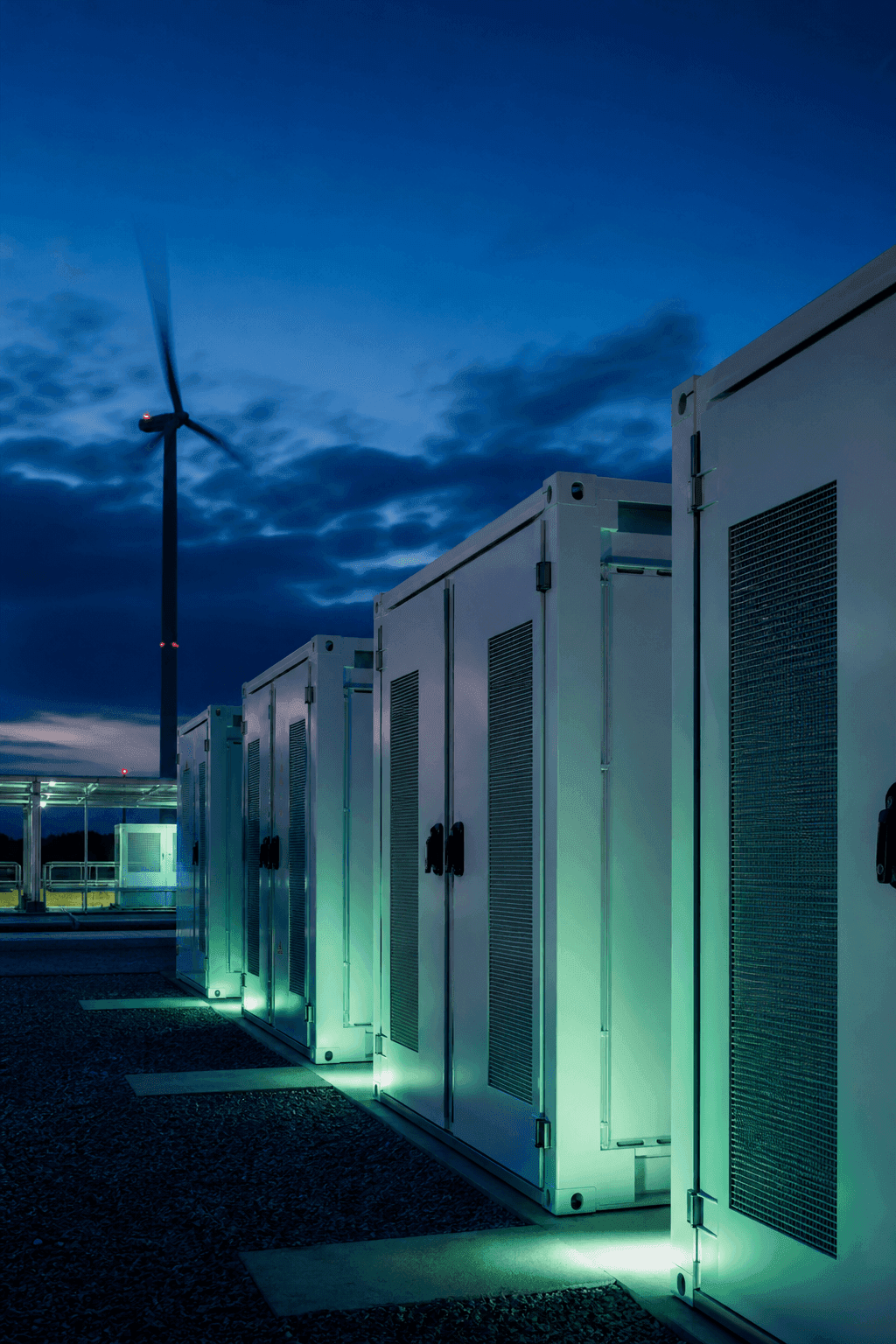
Behind-the-meter storage and controls that cut demand charges while preserving reserves for process-critical continuity.

Rooftop and yard PV designed around structural limits, switchgear capacity, and shift patterns already running the plant.

Manufacturing fluency
Cutover windows, seasonal peaks, and multi-building campuses shape every recommendation. We pair industrial solutions with manufacturing-sector practice and lifecycle coverage that fits maintenance shutdowns.
Different plants start in different places-quality complaints, utility bills, or ageing critical rooms. The programme adapts.
Industrial solutions rank interventions by OEE impact: where sags scrap product, where peaks inflate tariffs, and where ageing UPS or switchgear creates outage exposure. Not every old asset is equally urgent; ranking is made explicit for capital governance.
Plant assessments combine power-quality event history, interval utility data, and line-level consequence mapping so recommendations survive both engineering and finance review.
UPS and distribution upgrades are planned against production calendars with temporary feeds and staged transfers. We design for the shutdown you actually have-not an idealized outage that operations will never grant.
Peak-shaving BESS coexists with process backup only when SOC floors and priority modes prevent economic cycling from emptying resilience reserves before a disturbance.
New process heat, vehicle fleets, and denser automation raise demand and harmonic content. Transformer and feeder headroom, power quality, and whether storage or generation should accompany load adds are assessed before electrification projects strand the electrical plan.
What plant engineers and energy managers ask before committing to modernization.
By mapping failure modes to production consequence and recovery time-then stacking tariff and quality benefits where they reinforce the same investment. Not every old asset is equally urgent; we make the ranking explicit.
Often yes with temporary feeds, parallel paths, or staged cutovers planned against production calendars. The method statement is as important as the equipment. We design for the shutdown you actually have, not an idealized outage.
Only if economic cycling is allowed to deplete the resilience reserve. Dual-duty designs need SOC floors, priority modes, and operator clarity so tariff optimization never empties the battery before an outage.
New process heat, vehicle fleets, or denser automation raise demand and harmonic content. We assess transformer and feeder headroom, power quality, and whether storage or generation should accompany the load adds.
Interval utility data, recent power-quality event captures if available, single-lines, UPS/generator inventory, and a shortlist of lines that hurt most when power is imperfect. Even partial data is enough to start a ranked opportunity map.
Share the lines you cannot afford to stop, your tariff pressure, and any electrification roadmap. We will outline upgrades sequenced to production reality.