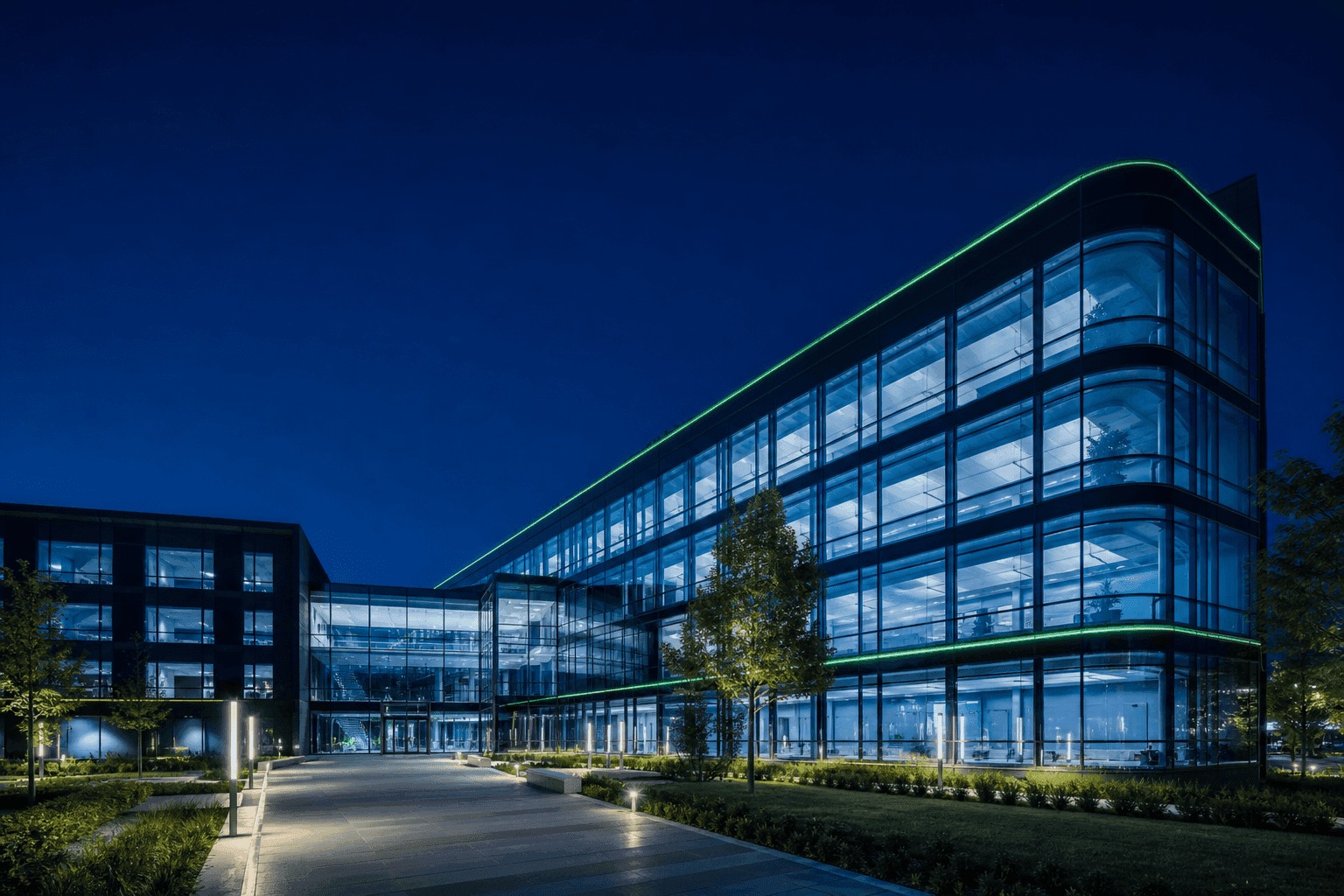
Electrical architecture
Single-line development, redundancy studies, and distribution layouts aligned to availability targets, concurrent maintainability, and campus phasing.
A coherent programme from design intent through IST-so capacity, maintainability, and proof of performance stay aligned as halls come online.
Single-line development, redundancy studies, and distribution layouts aligned to availability targets, concurrent maintainability, and campus phasing.

Modular and enterprise UPS coordinated with critical boards, bypass paths, and selective protection so IT loads stay online during faults and service.
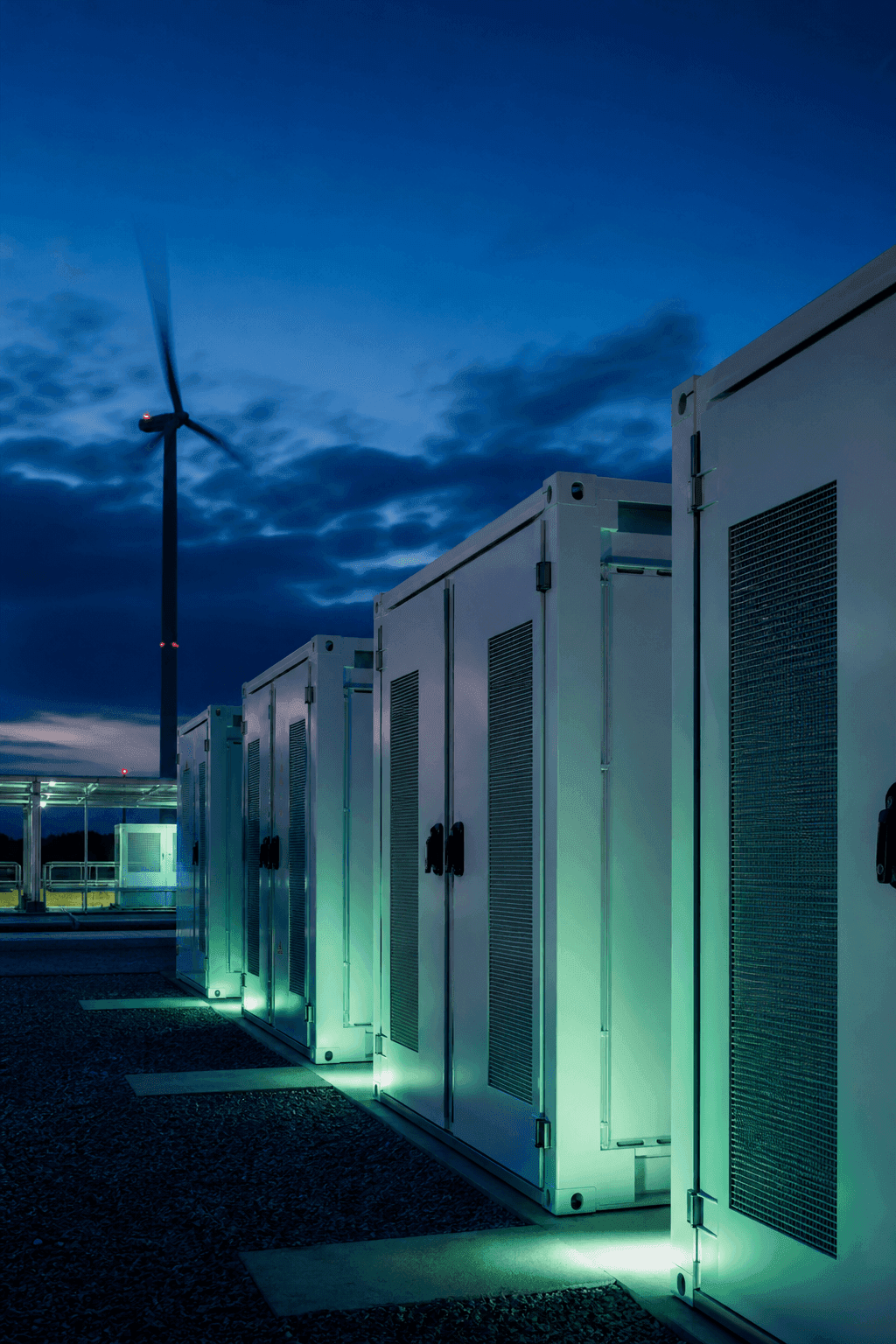
Runtime, chemistry, and monitoring choices matched to ride-through targets, white-space limits, thermal design, and lifecycle cost.

Integrated systems testing scripts, sequencing, and punchlist discipline that prove the architecture before customer workloads arrive.
Platform depth
Pair data centre architectures with Trident modular UPS, battery strategies, and lifecycle services so growth does not reopen the availability argument every phase.
Different campus moments need different emphasis-greenfield, brownfield densification, or mid-life modernization.
Hyperscale and enterprise solutions lock topology, room strategy, and growth modules early so later halls inherit a proven electrical pattern. Modular UPS, reserved pathways, and spare policy prevent early phases from consuming shared infrastructure without a documented growth envelope.
Battery and autonomy strategy balances ride-through to generator acceptance against white-space, thermal design, and fire case-chemistry follows those constraints, not density fashion alone.
Commissioning scripts and hold points prove UPS, batteries, distribution, and transfers under load steps and failure injections-not only nameplate energization. Trident supports issue closure on the power chain so IST evidence survives customer scrutiny.
Brownfield densification and mid-life refresh use cutover plans that protect existing tenants and SLAs while raising power density-method is as critical as megawatts added.
Campus PV/BESS can participate in energy strategy when interconnection and operating modes never undermine UPS-protected buses or IST assumptions. Many programmes treat renewables as campus energy assets with explicit boundaries to IT power.
Questions owners, hyperscalers, and colocation operators ask when electrical decisions set decade-long risk.
By mapping concurrent maintainability and fault tolerance to concrete path independence-UPS frames, distribution, and bypass-not marketing labels. We translate the target into single-line choices, then validate with IST scenarios that exercise those paths.
Often lithium for footprint and telemetry, sometimes VRLA where rooms and capital models favour it. The deciding factors are autonomy to generator acceptance, thermal design, fire strategy, and replacement logistics-not density alone.
With modular capacity plans, spare and pathway reservations, and standards that let later halls copy a proven pattern. Phasing fails when early halls consume shared infrastructure without a documented growth envelope.
We support scripts, hold points, and issue resolution for the power chain-UPS, batteries, distribution, and transfers-so tests prove behaviour under load steps and failure injections, not only nameplate energization.
Yes when interconnection, protection, and operating modes are designed so PV/BESS never undermine UPS-protected buses or IST assumptions. Many campuses treat renewables as campus energy assets with clear boundaries to critical IT power.
Share campus phase plans, density targets, and availability objectives. We will return a practical architecture outline and the decisions that must be locked next.