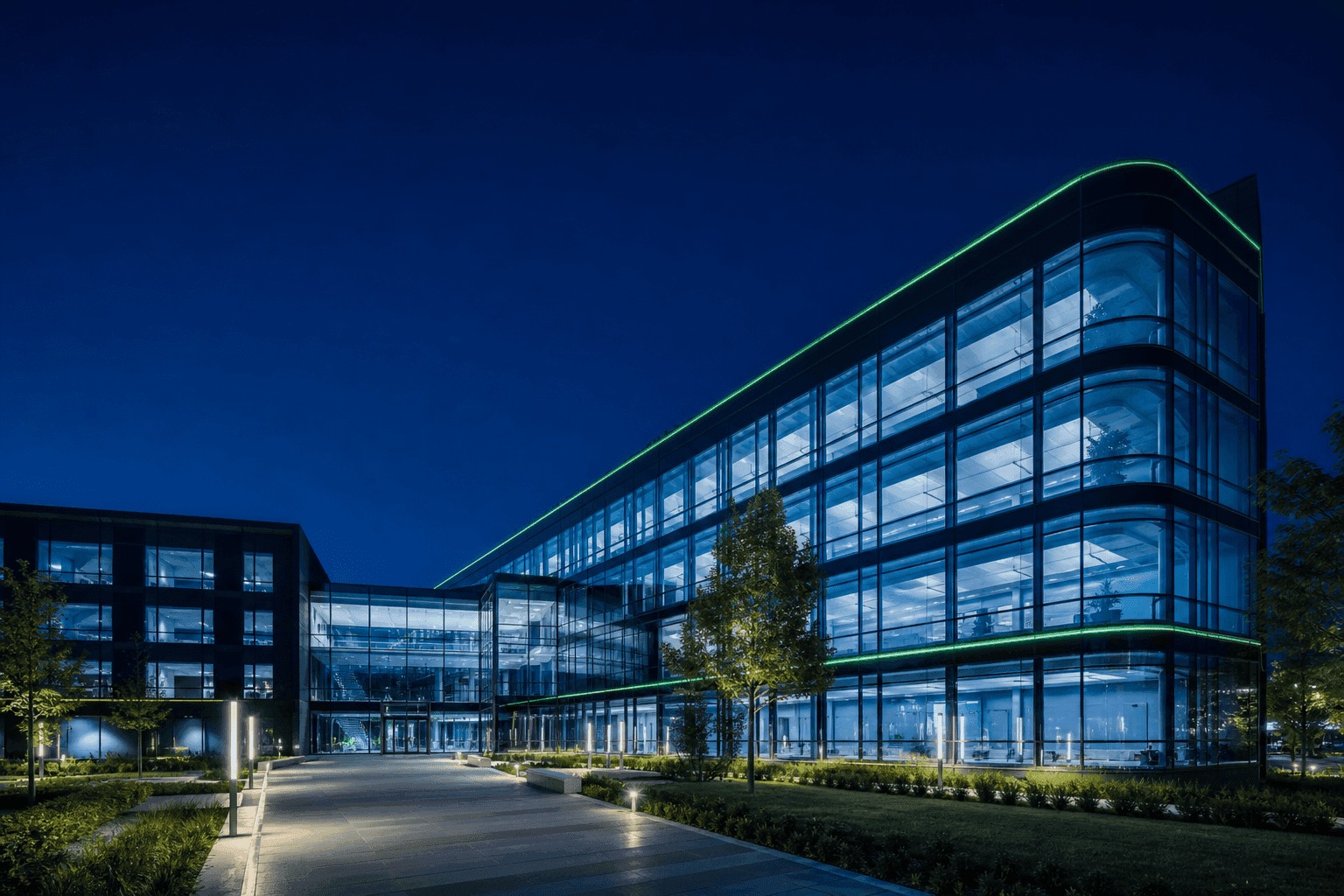
Hybrid architecture design
Coordinate PV, BESS, UPS, and generators so renewables add value without new single points of failure on protected buses.
Each workstream closes a common failure point: hybrid design ambiguity, late interconnection surprises, unusable EMS modes, or unverified performance after go-live.
Coordinate PV, BESS, UPS, and generators so renewables add value without new single points of failure on protected buses.

Utility requirements, metering, and protection schemes clarified before equipment orders freeze schedule and capital.
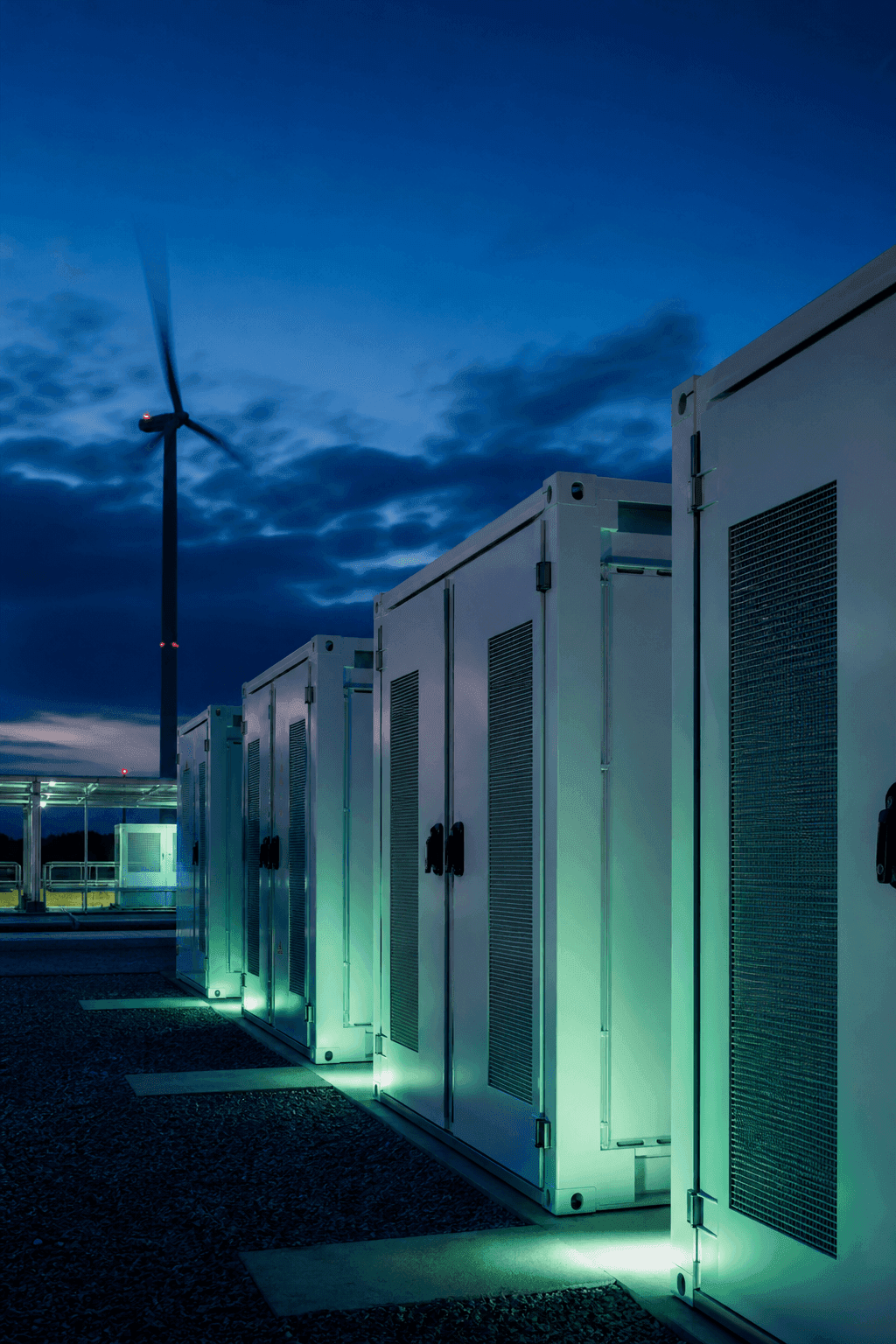
Control interfaces and mode definitions that facilities and energy teams can run during normal, islanded, and contingency states.

Commissioning and monitoring that prove yield, availability, and contribution to tariff and sustainability targets.
Generation platforms
Integration programmes use Trident solar and BESS platforms with lifecycle services-so hardware, controls, and O&M stay aligned after financial close.
The right sequence differs for a manufacturing roof, a data campus, and a weak-grid industrial site-but the discipline is the same.
Renewable integration coordinates PV, BESS, UPS, and generators so sustainability assets add value without ambiguous behaviour on protected buses. The “easy” electrical tap is often the wrong operational tap; interconnection point selection is a risk decision.
Utility requirements, metering, and protection schemes are clarified before equipment orders freeze schedule and capital-late interconnection surprises are a primary bankability killer.
Control interfaces limit modes to what facilities will use, with plain-language triggers and scenario training. An EMS with twelve unused modes becomes a manual-override culture that defeats the investment case.
Dual tariff-and-resilience duty requires SOC reserves and reporting that show both economic cycling and resilience readiness-without those rules, one objective quietly consumes the other.
Success means yield within modelled bands, alarm discipline that drives timely action, documented mode tests, and tariff or diesel metrics that match the original business case-not merely a working SCADA screen at handover.
What energy and facilities leaders ask when PV and storage meet critical power.
Typically on a non-critical or campus bus with protection and mode control that prevent unwanted backfeed or transfer interference on UPS-protected paths. The “easy” electrical tap is often the wrong operational tap.
By limiting modes to what operators will actually use, documenting triggers in plain language, and training against real scenarios. An EMS with twelve modes and no playbook becomes a manual override culture.
Unresolved interconnection, protection that forces chronic curtailment, weak O&M, or hybrid behaviour that facilities will not trust. We keep engineering and operating constraints inside the investment case early.
Yes with explicit SOC reserves, priority rules, and reporting that shows both economic cycling and resilience readiness. Without those rules, one objective quietly consumes the other.
Yield within modelled bands, alarm discipline that drives timely action, documented mode tests, and tariff or diesel metrics that match the original business case-not only a working SCADA screen.
Share site single-lines, interval demand, and sustainability or tariff goals. We will outline a hybrid architecture and the interconnection steps that unlock it.