Site class standards
Repeatable designs, BOMs, and spare strategies for tower, core, and edge classes that simplify multi-region operations.
From site standards to hybrid energy and field maintenance, the programme is built for thousands of locations with consistent alarms, spares, and escalation.
Repeatable designs, BOMs, and spare strategies for tower, core, and edge classes that simplify multi-region operations.

Climate-ready rectifier and battery kits engineered for rapid install, remote visibility, and harsh site conditions.

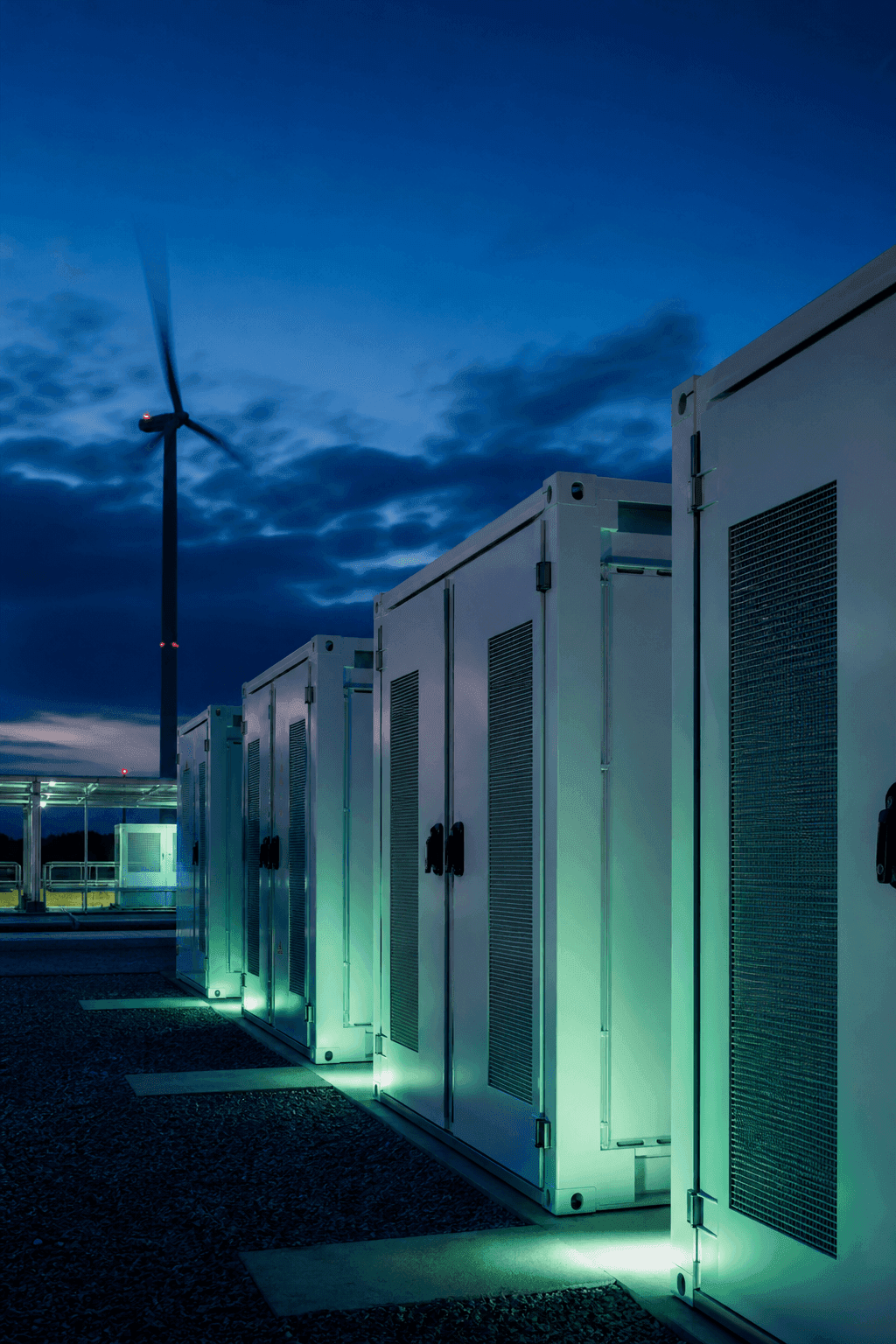
Grid, battery, and solar combinations that cut diesel runtime on weak-grid and remote sites without eroding autonomy.

Preventive programmes, battery health cycles, and escalation paths sized for national and regional footprints.
Product foundation
Solution programmes sit on Trident telecom power products-rectifiers, batteries, and hybrid kits-so standards and hardware stay one accountable stack.
Rollout, densification, and mid-life battery refresh each need a different mix of standards, logistics, and field skill.
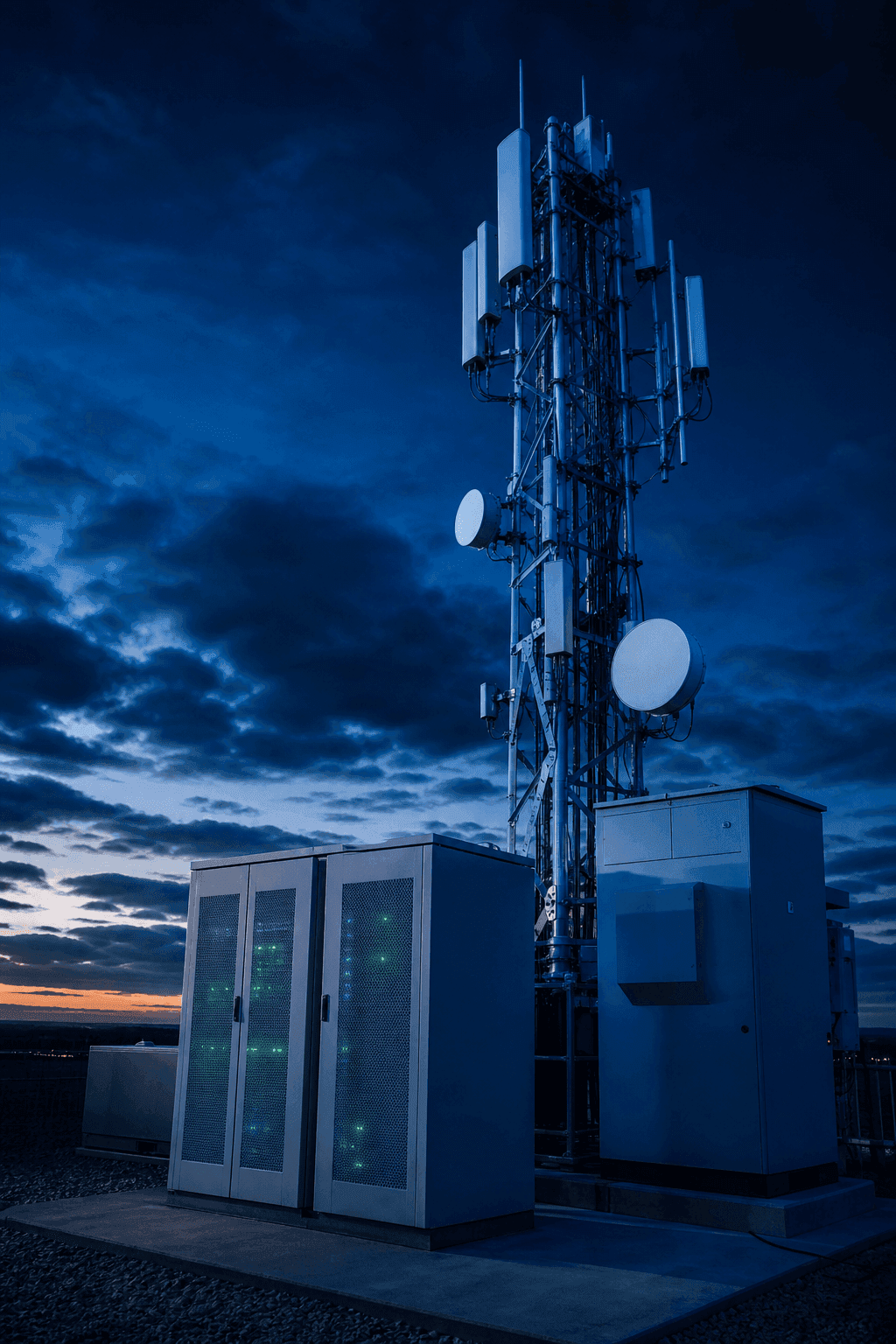
Telecom network solutions define enough site classes to cover real load and access differences-typically outdoor tower, sheltered edge, and higher-capacity core-without recreating SKU sprawl. Standards collapse training burden, spare inventory, and alarm playbooks across regions.
KPIs that prove programme value include site availability, mean time to power restoration, generator run hours, battery replacement rate, and truck rolls per thousand sites-not cabinet aesthetics.
5G and edge densification right-size power for radio and compute without oversized rooms or silent autonomy erosion. Hybrid diesel-reduction campaigns integrate PV and battery with NOC-visible SOC and generator-hour tracking.
Battery refresh across thousands of sites uses health-based prioritization and regional logistics waves so every location does not become a custom engineering visit.
Assessment and selective replacement secure the worst sites first, then converge BOMs as refresh cycles land. Full standardization is phased; operational debt is retired deliberately rather than denied.
What CTOs, network ops, and tower companies ask when power becomes a fleet problem.
Enough to cover real load and access differences-typically tower outdoor, sheltered edge, and higher-capacity core-without creating a unique design per site. Too few classes force bad fits; too many recreate SKU sprawl.
Site availability, mean time to power restoration, generator run hours, battery replacement rate, and truck-roll rate per thousand sites. Power programmes earn budget when those metrics move, not when cabinets look new.
With health-based prioritization, regional logistics waves, and chemistry standards that keep BMS and charger compatibility coherent. Refresh fails when every site becomes a custom engineering visit.
Yes when telemetry is integrated into existing monitoring and escalation-SOC, rectifier faults, generator starts, and environmental alarms with clear severity. Hybrid without NOC visibility becomes diesel with solar decoration.
Often yes for assessment, standards rationalization, and selective replacement. Full fleet standardization may be phased: secure the worst sites first, then converge BOMs as refresh cycles land.
Share fleet size, site mix, and diesel or battery pain points. We will propose a standards-led programme and rollout sequence that ops can execute.