Preventive & corrective visits
Planned inspections, cleaning, torque and connection checks, and corrective work orders closed against measured defects-not open tickets that age into risk.
Operational readiness work distinct from multi-year lifecycle strategy: scheduled service, fault response, parts logistics, and evidence packs operations can act on the same week.
Planned inspections, cleaning, torque and connection checks, and corrective work orders closed against measured defects-not open tickets that age into risk.
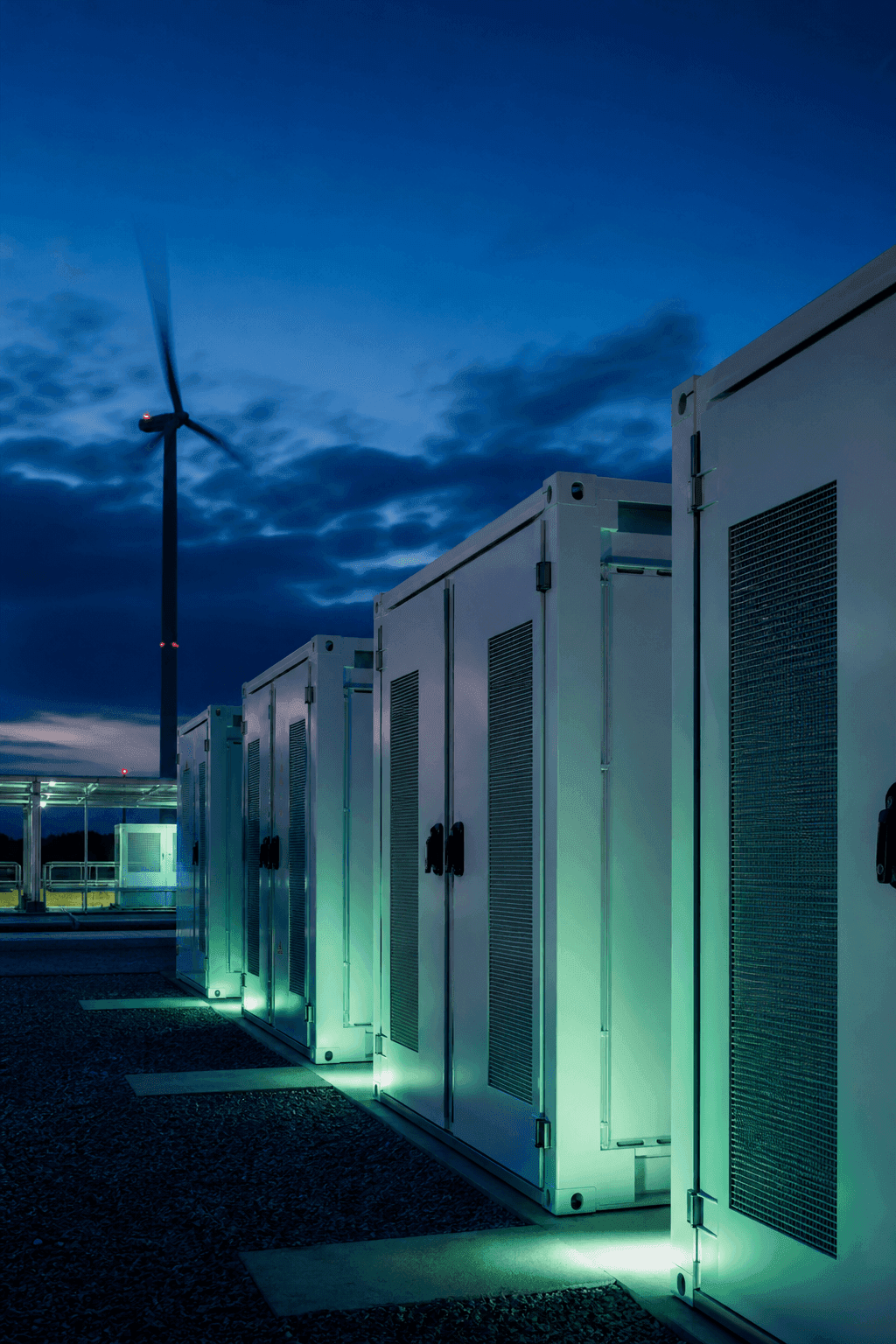
Capacity and impedance testing, string balancing reviews, and UPS maintenance for fans, capacitors, filters, and bypass health against autonomy targets.

Infrared surveys of busbars, breakers, and terminations plus controlled firmware windows with baselines and rollback so updates never become silent outages.

Tiered remote triage and on-site response with stocked critical spares, kit lists per site class, and logistics that make contracted minutes meaningful.

Contracted readiness
Response clocks only matter when the right board, fan, or battery module is already staged. Our programmes pair call-out tiers with spare strategy for UPS and storage fleets.
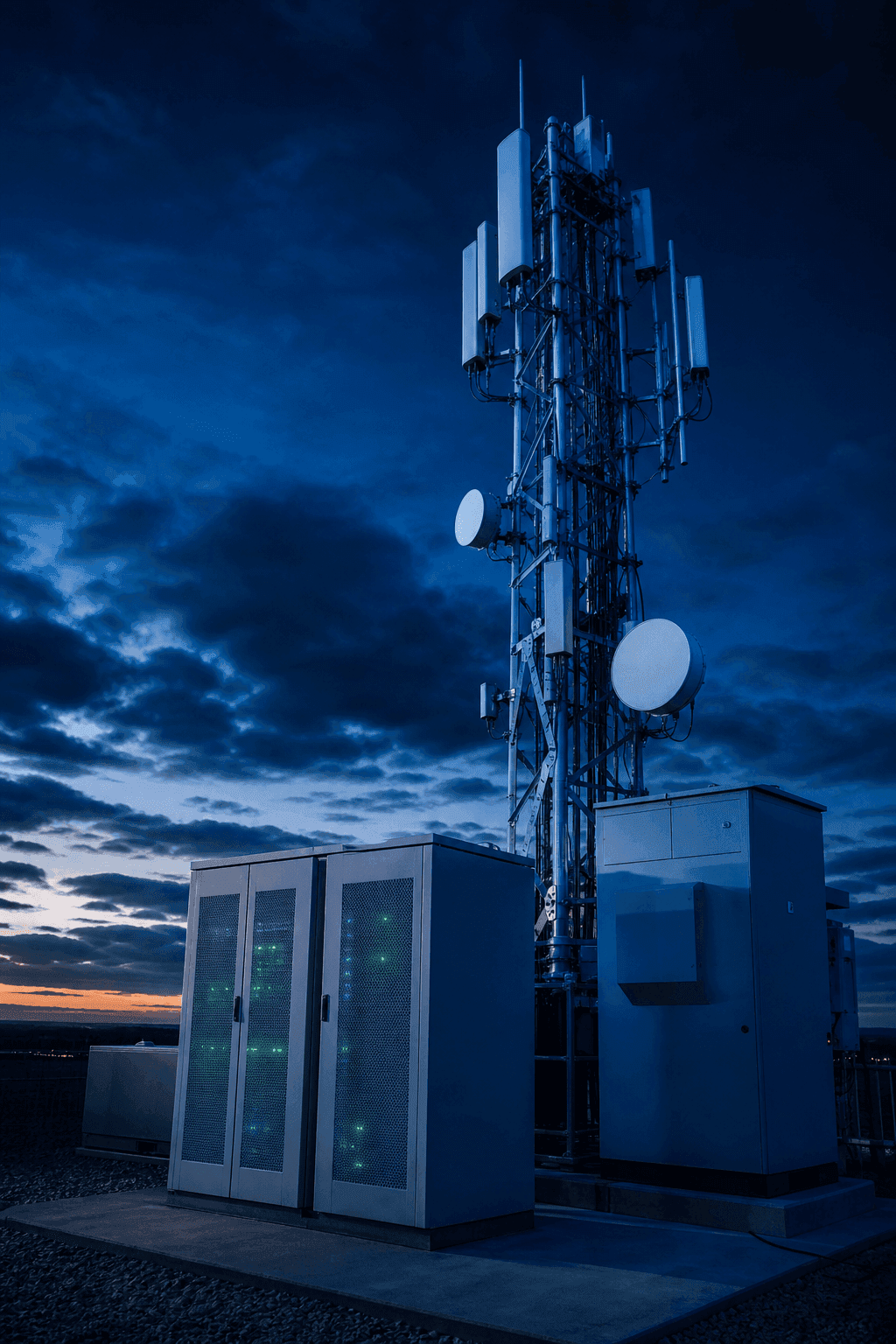
Single halls and multi-site fleets both need visit discipline-but spare stocking and remote triage models scale differently when edge nodes outnumber campuses.
Maintenance programmes put technicians on the kit that protects load-preventive inspections, corrective work orders closed against measured defects, battery capacity and impedance testing, UPS service for fans and capacitors, and thermal surveys of busbars and terminations.
Firmware windows use baselines, agreed change windows, and rollback criteria so updates never become silent outages. This layer is distinct from multi-year lifecycle strategy: it is the operational service that keeps autonomy real week to week.
Contracted response minutes only matter when critical boards, fans, or battery modules are already staged. Tiered remote triage and on-site windows are paired with kit lists per site class so SLA clocks are meaningful under pressure.
Enterprise UPS rooms, industrial plants, and telecom DC fleets scale visit cadence and stocking differently; programmes are shaped to site class rather than a one-size checklist.
After condition and documentation assessment, we state which platforms receive full-depth support versus limited corrective scope. Contracts stay honest so operators know where OEM-equivalent depth ends.
What facilities and operations leads ask before locking preventive cover and SLA tiers.
Maintenance is the hands-on service layer-visits, tests, corrective work, thermal surveys, firmware windows, and spare logistics. Lifecycle programmes add multi-year modernization roadmaps, obsolescence tracking, and portfolio governance. Most owners run both; they answer different questions.
Chemistry-appropriate impedance or conductance screening, capacity discharge where the site allows, string voltage balance reviews, and replacement recommendations tied to autonomy targets-not calendar myths alone.
Yes. We define remote triage first, then on-site windows with named escalation and spare commitments. Without staged parts, aggressive response times are theatre.
Often, after a condition and documentation assessment. We state which platforms we support at full depth versus limited corrective scope so contracts stay honest.
Through baselines, change windows agreed with operations, rollback criteria, and post-update verification. Firmware is treated as a controlled event-not a casual field habit.
Share installed UPS and battery assets, current visit cadence, spare gaps, and the SLA pressure you face. We will outline a preventive and corrective programme that fits the site class.