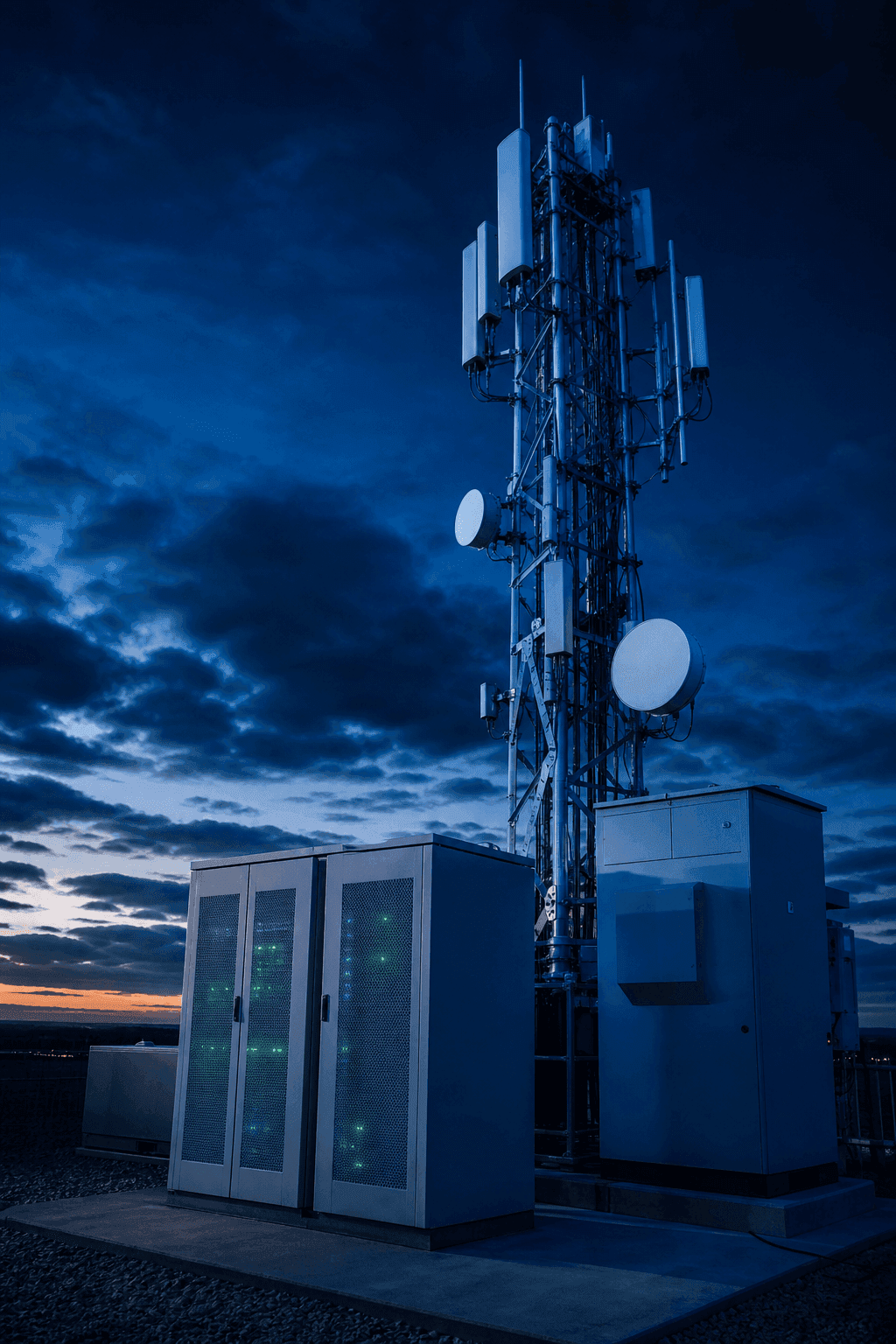

Method & access planning
Work packaging, LOTO strategy, and site-access controls matched to live halls, plants, and network sites-not generic construction templates.
From method statements to as-builts: execution discipline that keeps construction, electrical, and operations aligned through every energization step.
Work packaging, LOTO strategy, and site-access controls matched to live halls, plants, and network sites-not generic construction templates.
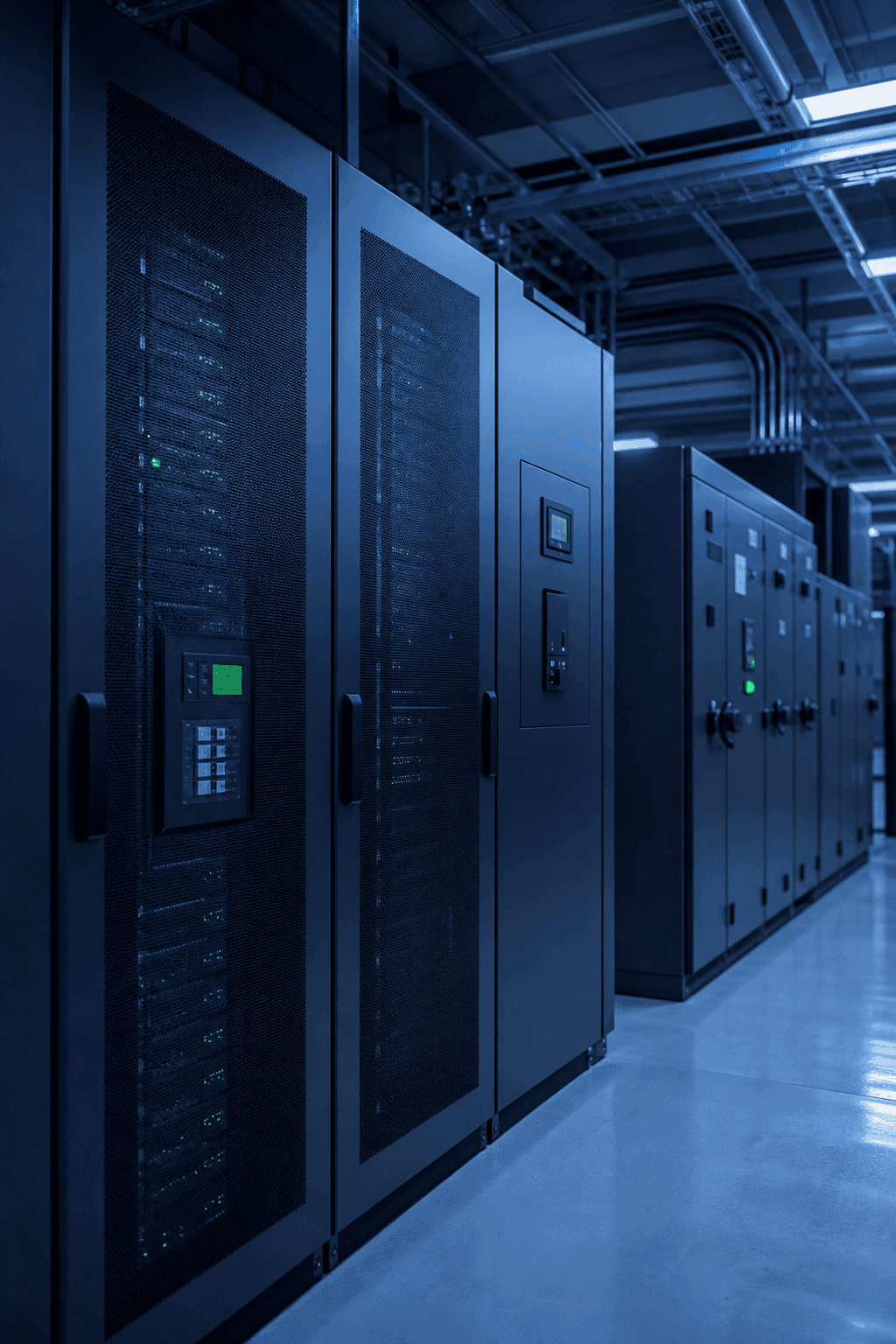
UPS frames, battery systems, DC plants, distribution, and hybrid interfaces installed to design intent with interface punchlists that do not wait for final inspection.

Staged transfers, bypass use, and rollback criteria so each step has a known safe state if conditions change mid-window.

Test sheets, settings captures, and handover packs that preserve knowledge for the teams who will run the plant for decades.

Occupied-site discipline
We plan transfers as engineered events-with contingency load paths, clear abort criteria, and communication protocols operations can trust under pressure.
Greenfield builds, brownfield densification, and fleet rollouts each demand different sequencing-and different failure modes to design around.
Installation treats interruption as a design failure. Work packaging, LOTO strategy, and access controls match live halls, plants, and network sites-not generic construction templates. Hold points carry named authorities and abort criteria agreed before windows open.
UPS frames, battery systems, DC plants, distribution, and hybrid interfaces are installed to design intent with interface punchlists that do not wait for final inspection to surface conflicts.
Staged transfers and bypass use preserve a known safe state if conditions change mid-window. Factory and site acceptance support proves behaviour under load-not only nameplate energization-when scoped into the delivery package.
Incomplete design packages trigger constructability reviews before copper moves; field improvisation on critical power is how availability debt accumulates.
Commissioning records, spare lists, firmware baselines, and known issues transfer into day-two programmes so operations start with evidence rather than folklore. Delivery ends when knowledge is preserved, not when the last cable is landed.
What operations and project leads ask when the site cannot stop for construction.
Through written method statements, verified temporary paths, hold points with named authorities, and abort criteria agreed before the window opens. We do not improvise transfers under live SLA pressure.
Yes. We commonly deliver critical-power packages inside a broader contract with clear interfaces for mechanical, structural, and fire systems-so accountability at commissioning is unambiguous.
We flag gaps early with a constructability review. Prefer fixing drawings before copper moves; field improvisation on critical power is how availability debt accumulates.
Yes when scoped-witnessing, scripts, and issue closure for UPS, batteries, and integrated systems so acceptance proves behaviour, not only nameplate energization.
Commissioning records, spare lists, firmware baselines, and known issues transfer into maintenance and lifecycle programmes so day-two operations start with evidence-not folklore.
Share the site constraints, outage windows you can and cannot accept, and the systems in scope. We will propose a delivery method that protects live operations.